Physical Address
304 North Cardinal St.
Dorchester Center, MA 02124
Physical Address
304 North Cardinal St.
Dorchester Center, MA 02124
Reading Time: 6 minutesMemento mori isn't a deathbed epiphany — it's a daily Stoic habit. Here's how Marcus Aurelius, Seneca, and Epictetus actually used it.
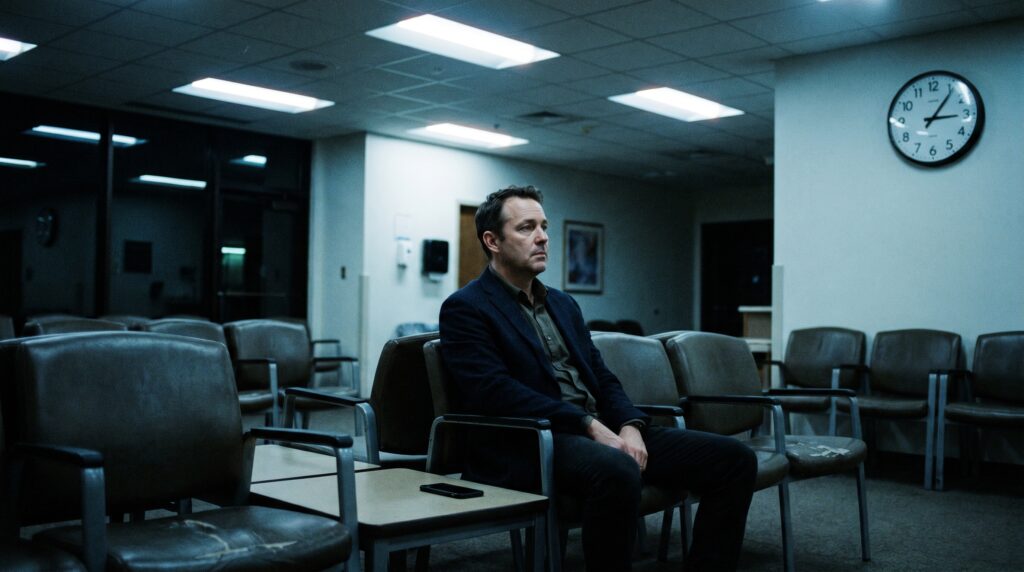
A friend of mine spent six hours in a hospital waiting room last year while his father was in surgery. Somewhere around hour three he had the moment everyone has in that chair: the sudden, blinding clarity that none of the stuff filling his calendar actually mattered. He was going to call his brother. Finally tell his boss he wanted the new role instead of hinting at it for the eleventh straight quarter. Stop treating his actual life like a placeholder for some better version of it that started later, eventually, once things calmed down. That’s the entire premise behind memento mori — and most people get it wrong.
The clarity doesn’t last
Three weeks later he was back to checking Slack at 11pm. The call to his brother never happened. His boss “deprioritized” the conversation — his word, not mine. The clarity just sort of wore off, the way it always does, and afterward he was annoyed at himself in a way that probably made the next bout of clarity even less likely to stick around.
Nobody really warns you about this part. We don’t forget we’re going to die — everybody half-knows that already, in the abstract, the way you know a recession is coming eventually. What nobody mentions is that the clarity death hands you has a shelf life of about three weeks. After that it just fades, and there’s no instruction manual for what to do once it’s gone.
Turns out that instruction manual already exists. It’s just old, and whoever’s been marketing it lately has done it badly.
Memento mori, the way the Stoics actually practiced it

The Stoics built mortality awareness into something closer to a daily habit than an occasional gut-punch. Marcus Aurelius did it, so did Seneca, so did Epictetus — three men who otherwise disagreed about plenty. Memento mori, “remember you will die,” wasn’t supposed to scare you into one big epiphany. It was supposed to get repeated, like a rep at the gym, until it actually changed what you did on an ordinary Tuesday.
Marcus Aurelius was a Roman emperor, which by any modern measure meant he had every possible distraction money and power could buy. He still used to write reminders to himself in a private journal that nobody, including him, expected the public to ever read. One line goes: “You could leave life right now. Let that determine what you do and say and think.” It’s not poetic. It’s barely even comforting. Honestly it reads less like philosophy and more like a man running a daily systems check on himself.
The decision filter
The mistake people make with memento mori is treating it like a feeling, something you’re supposed to summon, a wave of gratitude, maybe a tear in the shower. It works better as a filter you run a decision through, closer to checking your bank balance before you buy something than to having a spiritual moment. Marcus wasn’t trying to feel anything when he wrote that line about leaving life right now. He was trying to decide something. Would I still send this message? Take this meeting? Swallow this resentment, if today were genuinely it?
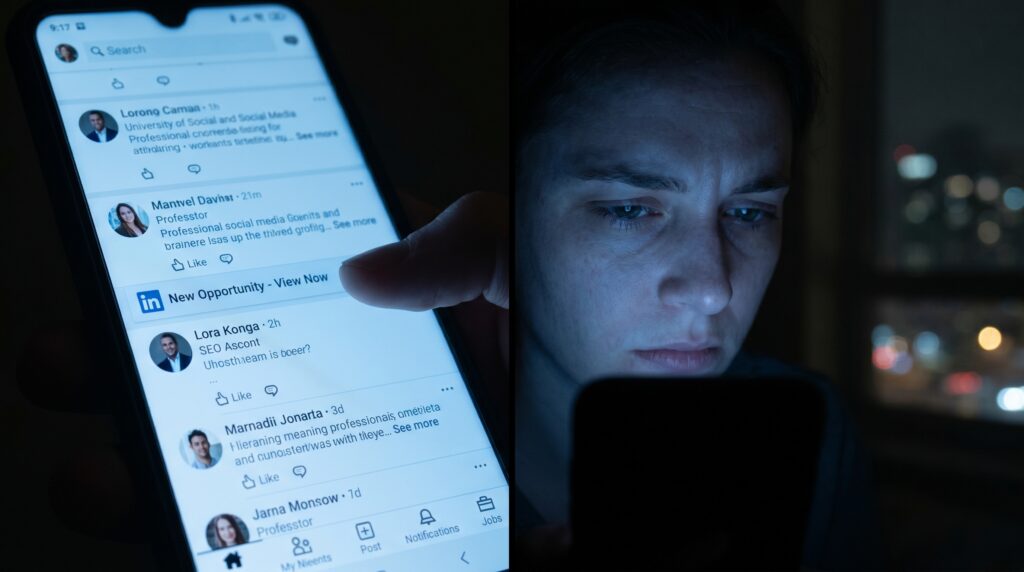
Picture whatever version of this applies to you. The LinkedIn message to your old mentor, drafted four times, never sent, because there’s always something more pressing than Tuesday. Or the conversation with your manager about the role you actually want, instead of the one you quietly settled for two promotions ago. None of this is urgent the way a deadline is urgent. If anything it’s the opposite — it’s permanently not urgent, and that’s exactly how two years vanish without you noticing. Run it through the filter anyway. If this were genuinely the last stretch you had, would the draft still sit there as a draft?
Getting out of the status game
Seneca wrote an entire essay to a friend who was burning his life on other people’s approval, and his diagnosis was blunt: “Life is long enough.” The problem isn’t the length. It’s that we’re terrible at spending it, treating it like a bottomless account instead of the finite one it actually is. People, he said, act like mortals in everything they fear and like immortals in everything they desire. Terrified of small risks. Meanwhile chasing status and approval like they’ve got all the time in the world to enjoy the payoff.
This is the part that actually stings if you’re around 30 and feel stuck. You know the Sunday-night scroll through LinkedIn, the one where you land on a former classmate’s promotion post and start doing the silent math on whether you’re behind. That spiral only has power over you because it assumes you’ve got an infinite runway to catch up. Bring death into the picture and the runway collapses on purpose. The question stops being am I behind the people I graduated with. It turns into something closer to: would I want this exact job, at this exact pace, if I had one year left instead of thirty? It’s not a particularly cheerful question. It’s just a more useful one.
Turning the volume back up
The most practical use of memento mori might also be the least morbid one. In chapter 21 of his Enchiridion — the handbook his students put together from his lectures — Epictetus told them to keep death and exile in view every day. Same with everything else that looks terrible. He wasn’t selling dread. The promise was that you’d stop yearning for things beyond what you need, and that ordinary things would stop fading into the background.
You know the moment. Your partner’s telling you about something that happened at work and your hand is still on your phone, half-replying to a Slack message under the table. The move here isn’t guilting yourself with “this could be the last time you hear this story” — that’s just dread wearing a nicer outfit. It’s smaller than that. Phone face-down, eyes up, for the length of one story. The point of the mortality framing was never to make you feel bad about the phone. It was to make the story audible again.
The honest pushback
Here’s where I have to be straight with you, because the research doesn’t uniformly back me up. Psychologists Jeff Greenberg, Sheldon Solomon, and Tom Pyszczynski built terror management theory on top of Ernest Becker’s earlier work. It found that reminding people of death often makes them more defensive, more tribal, more likely to cling to status and identity. Not less. Worth saying upfront that the picture here is genuinely mixed — a large 2022 replication effort — Many Labs 4, which even involved some of the theory’s original authors — failed to reproduce some of the classic findings. But enough of the original effect holds up that it’s a fair challenge: if mortality reminders sometimes feed the exact grasping behavior I just told you they’d cure, why trust any of this?
The honest answer is that most of that research is studying what psychologists call mortality salience: an intrusive thought, a scary headline, a moment of unbidden dread. There’s a smaller, separate body of work on something called death reflection instead, the deliberate, sustained kind of contemplation rather than a jump-scare version of it. That line of research finds it behaves differently. A 2019 paper by Young Chin Park and Tom Pyszczynski — yes, one of the original terror management theorists — looks at meditation and mindfulness specifically. Less defensiveness. More of the prosocial, growth-oriented response the Stoics were actually going for.
Marcus didn’t let the thought of death ambush him. He sat down and summoned it on purpose, which is a different thing from getting hit with it sideways. I’d call the distinction a promising lead rather than a settled answer. It’s newer and thinner than the original mortality-salience research, but it holds up well enough so far.
What to actually do tonight

So here’s the actual move. Tonight, before you close your laptop, send the one message you’ve been sitting on. The mentor email, the ask for the role, the apology, the invitation — whatever it is for you. Not because today might be your last day, exactly. More because that draft has already cost you more Tuesdays than it’s worth. Tomorrow, pick a different one and do the same thing.
Don’t bother checking whether you feel more present afterward. That’s a hard thing to measure honestly, and you’ll probably talk yourself into believing whatever you want to believe. Check your drafts folder instead. If it’s emptier by Friday, this worked.